ENGINEERING NOTES
Design thinking behind local-first grow automation.
MakersHydro® Engineering Notes collect the design principles behind pH/EC control, nutrient dosing, distributed CAN-node hardware, Shelly equipment integration, safety logic and real grow validation.
pH and EC are connected
EC reflects dissolved ionic strength, but it does not reveal the full nutrient balance. pH affects nutrient availability, while dosing, top-ups, alkalinity and plant uptake change reservoir behaviour.
pH/EC control →
Measurement data is not always control data
A user interface can show filtered, readable values. A control loop needs validated signals, timing awareness, sensor state, mixing context and safety conditions before acting.
Control philosophy →
Dosing is a controlled process
A pump should not simply turn on because a number crossed a threshold. Reliable dosing needs limits, cooldowns, maximum dose sizes, mixing periods and conditions where dosing is blocked.
Dosing logic principles →
Why Shelly integration matters
Shelly integration is not just a convenience feature. It gives MakersHydro a practical equipment-control layer for lights, pumps and environmental devices while keeping critical grow logic local and reducing the need for user-built mains relay wiring.
Read the Shelly integration approach →
Real grow validation before product claims
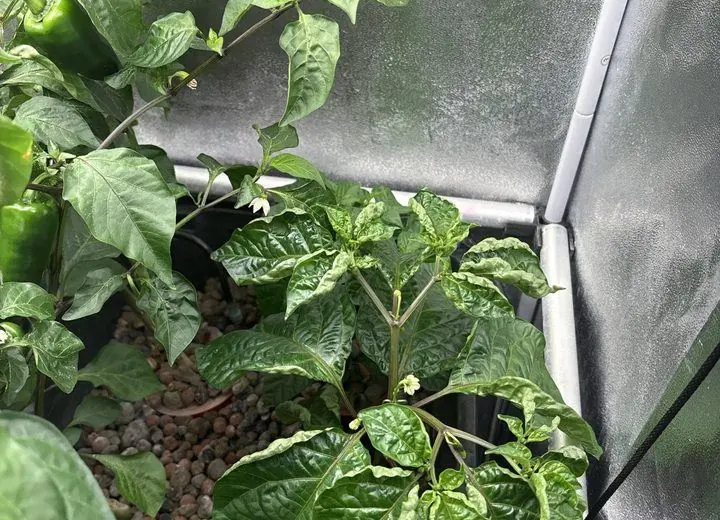
Real growing environments expose timing issues, sensor behaviour, reservoir chemistry, mixing delays and practical failure modes that ideal diagrams cannot prove.
See validation data →
CAN bus in distributed hydroponics automation
MakersHydro separates measurement, dosing, reservoir monitoring, infrastructure and UI functions into task-specific nodes connected by a wired CAN backbone.
See hardware architecture →
Safer equipment control near water and humidity
Hydroponics combines water, humidity, pumps, grow lights and electrical equipment. MakersHydro separates low-voltage control decisions from equipment power switching where suitable plug-in control devices can be used.
Read the safety approach →